
Quick answer: For most Indian families of 2–4, a chopper (manual pull or small electric) is enough. It handles onions, tomatoes, garlic, coriander and salad prep fast, and costs far less. A food processor makes sense if you regularly knead dough, grate large amounts of vegetables, slice for parties or cook for 5+ people. If you already own a mixer grinder, check what it can do before buying either.
Key takeaways
- Chopper: fast chopping for daily cooking, cheap, small, easy to wash.
- Food processor: kneading, slicing, grating and bulk prep for big families.
- Your mixer grinder already handles chutneys, masala and pastes.
- Buy for what you cook every week, not for one festive day.
Chopper vs Food Processor: What Each One Does
Every sale season, kitchen gadgets get bundled with big discounts. The chopper vs food processor question comes up a lot because both promise to save time on chopping. They’re quite different tools, though.
A chopper is a small bowl with blades. Manual ones work with a pull cord or a press; electric ones have a small motor. You put in onions, tomatoes, garlic or herbs and get them chopped in seconds.
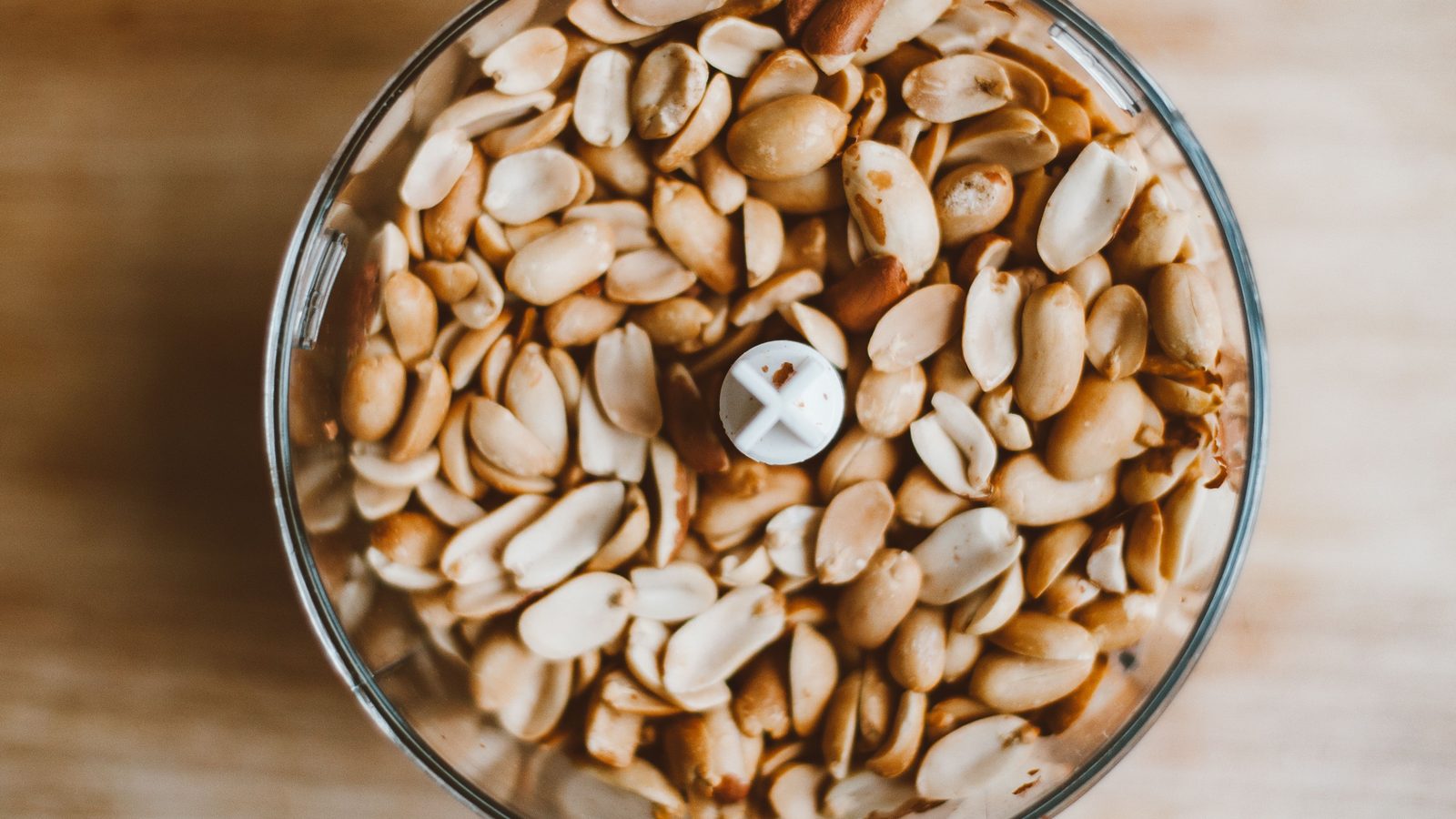
A food processor is a bigger machine with a motor base and several attachments: chopping blade, slicing disc, grating disc, dough kneader, sometimes a juicer and citrus press. It’s built for volume.
In this article, you’ll learn:
- What a chopper does well and where it struggles
- When a food processor is worth the money and the counter space
- Approx. price ranges in India
- Features to check before buying either
- Which one suits your family size
Chopper vs Food Processor: Side-by-Side Comparison
| Feature | Chopper | Food processor |
|---|---|---|
| Best for | Onions, tomatoes, garlic, ginger, herbs, salads | Kneading dough, slicing, grating, bulk chopping |
| Capacity | 0.5–1 litre bowl | 1.5–3.5 litre bowl |
| Approx. price | ₹250–600 manual; ₹1,000–2,500 electric | ₹4,000–12,000+ |
| Counter space | Fits in a drawer | Needs a permanent spot |
| Washing up | 2–3 parts | 5–10 parts |
| Kneading dough | No | Yes, on most models |
| Slicing and grating | No (only chopping) | Yes, with discs |
| Suits family size | 1–4 | 4+ or frequent hosting |
Prices are rough ranges seen in Indian stores and vary by brand and sale offers.
When a Chopper Is the Better Buy
Choose a chopper if:
- You cook for 1–4 people
- Onion chopping is your main pain point (it is for most of us)
- Your kitchen counter is small
- You want something you’ll actually use every day without assembling five parts
A chopper also helps with tears: you cut onions into quarters, close the lid, pull a few times and it’s done. Pull-cord models need no electricity and are easy to wash.
The downsides: a chopper gives uneven pieces if you overfill it, it can turn tomatoes mushy, and it can’t knead or grate.
When a Food Processor Is Worth It
A food processor earns its space if:
- You knead dough for 5+ people daily (roti, paratha, puri)
- You grate a lot: carrots for gajar halwa, cabbage, paneer, coconut
- You host often and slice vegetables in bulk
- You make big batches of faral dough during Diwali
The catch is effort. Setting up, using and washing a food processor takes time. For a small batch of onions, many people end up reaching for the knife instead. Be honest about how often you’ll use it.
Don’t Forget Your Mixer Grinder
Most Indian kitchens already have a mixer grinder. It handles chutney, masala, dosa batter, ginger-garlic paste and even coarse chopping if you pulse carefully. Some mixer grinders come with a chopper or kneading attachment. Check before buying a separate appliance.
Our guide on mixer grinder wattage for faral masala explains what your mixer can handle.
Features to Check Before You Buy
| Check | Chopper | Food processor |
|---|---|---|
| Blades | Stainless steel, 3–5 blades | Steel blades plus slicing/grating discs |
| Bowl | BPA-free plastic or glass, clear markings | Big enough for your family’s dough |
| Motor (electric) | 200–400 W is enough | 600–1,000 W for kneading |
| Safety lock | Lid lock on electric models | Must not run without lid locked |
| Washing | Dishwasher-safe parts help | Fewer parts = more use |
| Warranty and service | 1 year typical | Motor warranty and service in your city |
Hygiene matters too. Blades and bowls trap bits of onion and garlic, so wash them right after use. The UK Food Standards Agency’s cleaning guidance is a good reminder to clean equipment thoroughly, especially after raw meat. If you chop ahead for the week, keep prepped vegetables covered in the fridge, as the FSA’s chilling advice explains.
Chopper vs Food Processor: Which One Should You Buy?
- Small family, daily cooking: a good manual or electric chopper.
- Family of 5+, daily rotis: a food processor with a strong kneading attachment.
- Big Diwali batch, rest of the year small: a chopper, and borrow or knead by hand for festive days.
- Tight budget: a manual chopper is the best value gadget in many Indian kitchens.
Real Kitchen Scenarios: Chopper vs Food Processor
Picture three common Indian households:
- Working couple, cooks once a day. Chopping onions and tomatoes for one sabzi and one dal takes about five minutes with a chopper. A food processor would take longer to set up and wash. Chopper wins.
- Joint family of six, 25+ rotis daily. Kneading dough by hand every morning is real work. A food processor with a strong kneader saves time every single day. Food processor wins.
- Small family that hosts often. Most days a chopper is enough. For parties, it can be done in batches. A chopper still wins, unless you host every week.
The pattern is simple: buy for your regular week, not your busiest day of the year.
Frequently Asked Questions About Chopper vs Food Processor
Q: Can a chopper knead dough?
No. Choppers are built for chopping only. For dough, you need a food processor or a mixer grinder with a kneading attachment.
Q: Is an electric chopper better than a manual one?
Electric choppers are faster for bigger amounts. Manual pull choppers are cheaper, need no power and are easy to clean.
Q: Is a food processor worth it for a small family?
Usually not, unless you knead dough or grate vegetables in bulk often.
Q: Can a mixer grinder replace a chopper?
Partly. Pulsing in a dry jar chops onions, but it’s easy to overdo it and make paste.
The Bottom Line
In the chopper vs food processor debate, most Indian kitchens are better off with a chopper: cheap, quick and used every day. Buy a food processor only if you knead, grate or slice in bulk regularly. Check what your mixer grinder already does before spending more in the sale.
Save this guide before the next sale, share it with someone setting up a new kitchen, and follow SmartCooking.in on WhatsApp for honest appliance guides.