
Quick answer: For most Indian homes, a 750W mixer grinder is the sweet spot. It handles dry masalas, chutneys and idli-dosa batter without much strain. 500W is enough for small families who mostly make chutney and soft masala. Pick 1000W only if you grind hard spices, large batches or tough dry items often. For bhajani flour in bulk, a flour mill does a better job than any mixer.
Key takeaways
- 750W suits most families and most festive grinding.
- 500W works for light, small-batch use.
- 1000W helps with frequent heavy dry grinding, but costs more and is louder.
- Jar quality, blade design and overload protection matter as much as watts.
Mixer Grinder Wattage: Why It Matters for Diwali
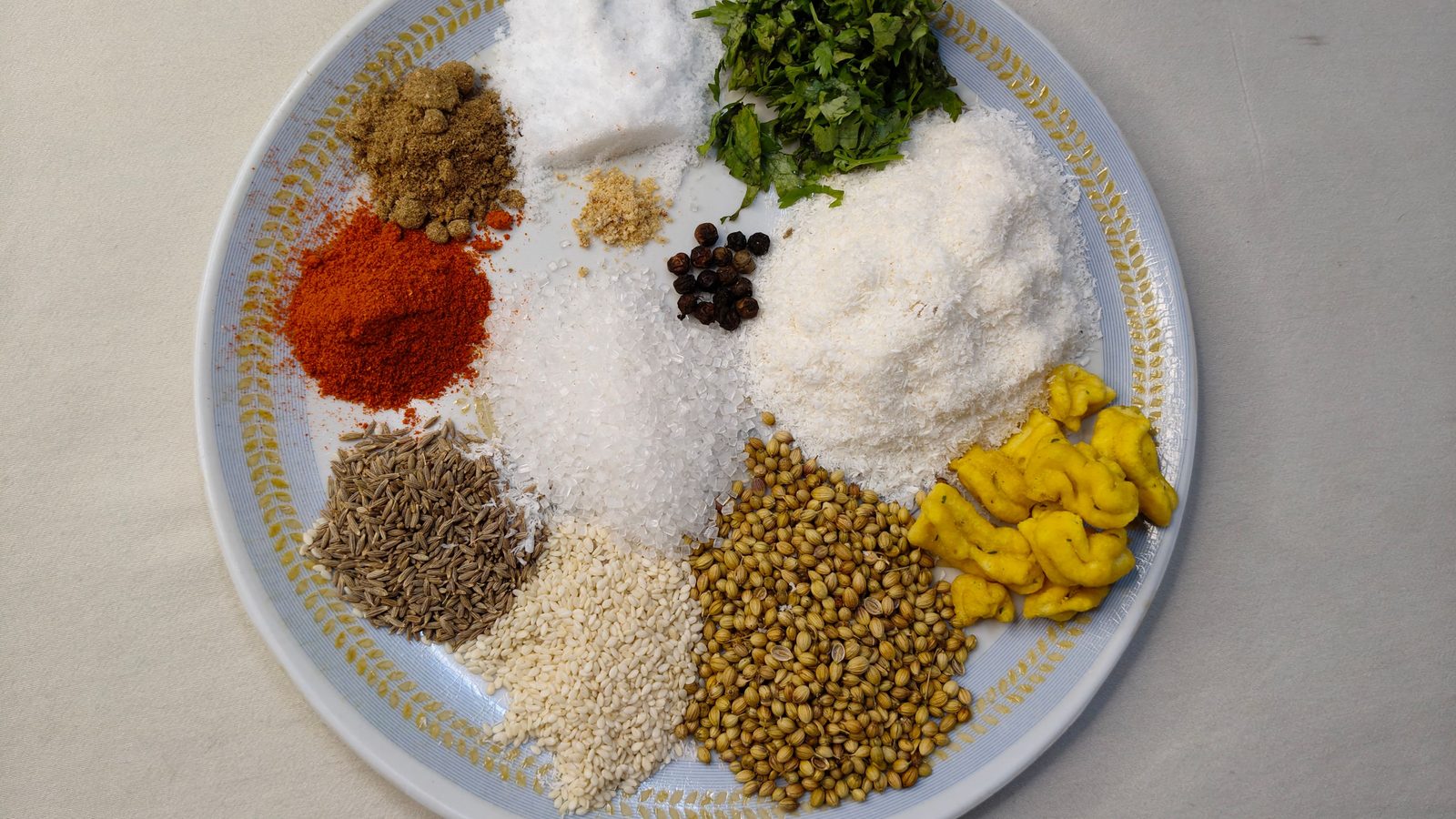
Diwali week puts your mixer to work like no other time of year. Dry-roasted spices for chivda and chakli masala, coconut for karanji filling, powdered sugar for laddoos, besan, chutneys for guests. A weak motor overheats and stops halfway. An oversized one costs more than you need.
So before you buy in the festive sale, it helps to know what mixer grinder wattage actually does.
In this article, you’ll learn:
- What wattage means in real use
- How 500W, 750W and 1000W compare
- What faral tasks each one handles
- Other features that matter more than watts
- Grinding tips that protect the motor
What Mixer Grinder Wattage Really Means
Wattage is the power the motor draws. More watts usually means the motor keeps its speed better under a heavy load, like a jar full of hard spices or thick batter. It doesn’t automatically mean finer grinding. Blade design, jar shape and how long you run it matter too.
RPM (rotations per minute) is a different number. High RPM spins fast; wattage decides whether it can keep spinning fast when the jar is full and tough. A high-RPM, low-watt mixer can stall on hard spices.
500W vs 750W vs 1000W Mixer Grinder
| Wattage | Best for | Struggles with | Rough price range in India |
|---|---|---|---|
| 500W | Chutney, soft masala paste, small families (1–3 people) | Large dry batches, hard spices, thick batter | ₹1,500–2,500 |
| 750W | Most daily grinding, dry masala, idli-dosa batter, 3–5 people | Very large batches back-to-back | ₹2,500–4,500 |
| 1000W and up | Frequent hard spices, big families, heavy batter | Higher noise and price | ₹4,000–8,000+ |
Prices are rough ranges and change during sales. Check the live price on the day you buy.
Our guide to the best 750W mixer grinder for Indian spices goes deeper into what to look for at that power level.
Diwali Faral Tasks: Which Mixer Grinder Wattage Works?
| Task | 500W | 750W | 1000W |
|---|---|---|---|
| Powdered sugar for laddoo | Yes, small batches | Yes | Yes |
| Coconut and khoya for karanji filling | Yes | Yes | Yes |
| Chivda / chakli masala (roasted spices) | Small batches, pulse | Yes | Yes |
| Besan or rava regrind | Small batches | Yes | Yes |
| Bhajani flour for chakli (roasted grains) | Not ideal | Small batches only | Small batches only |
| Chutneys for guests | Yes | Yes | Yes |
About bhajani: Chakli bhajani is a mix of roasted rice, chana dal, urad dal and spices ground to fine flour. A home mixer can do a small batch in short bursts, but a full Diwali batch strains any mixer and often comes out coarse. Many families take bhajani to a local flour mill (chakki). It’s faster and gives finer flour, which also helps stop chakli breaking while frying.
Features That Matter More Than Watts
- Jars: a sturdy dry-grinding jar, a wet jar and a small chutney jar cover most needs. Stainless steel jars with good locking lids last longer.
- Blades: separate dry and wet blades grind better than one blade for everything.
- Overload protection: a cut-off switch saves the motor if it overheats. Check where the reset button is.
- Speed control and pulse: pulse mode is very useful for coarse masalas.
- Stable base: rubber feet stop the mixer from walking on the counter.
- ISI mark and warranty: look for the ISI mark from the Bureau of Indian Standards and a clear motor warranty.
- Service network: check if the brand has a service centre in your city.
Sale Checklist Before You Buy
Festive sales show big “MRP vs offer” gaps. A few checks help you buy the right mixer grinder wattage at a fair price:
- Compare the final price, not the discount. Look at what the same model sold for a few weeks ago if the store shows price history.
- Count the jars. Some low prices come with only two jars. Three jars (dry, wet, chutney) suit most Indian kitchens.
- Read the motor warranty. Many brands give a longer warranty on the motor than on the rest of the product. Note it.
- Check the cord and plug. A short cord can be a daily annoyance in small kitchens.
- Read recent reviews that mention noise, heating and jar leaks, not just star ratings.
- Confirm the voltage and wattage on the product label photo, not only the title.
- Keep the invoice. If a sale product arrives damaged or not as described and the seller won’t help, you can file a complaint with the government’s National Consumer Helpline.
If your current mixer still works but struggles, check the blades and coupler first. A worn coupler (the small rubber or plastic piece that links jar and motor) is a cheap part and often the real reason for poor grinding.
Grinding Tips That Protect the Motor
- Don’t overfill. Half to two-thirds full grinds better than a packed jar.
- Cool roasted spices first. Hot spices release oil and steam, which clump and strain the motor.
- Grind in short bursts. 20–30 seconds at a time, then rest.
- Start slow, then go fast.
- Give it breaks in long sessions. Let the motor cool for a few minutes after several jars.
- Clean and dry jars fully before dry grinding.
A mixer runs for only a few minutes a day, so wattage barely affects your electricity bill; it mostly affects performance.
Frequently Asked Questions About Mixer Grinder Wattage
Q: Is 750W mixer grinder enough for Indian cooking?
Yes, for most families. It handles dry masala, chutney and batter well.
Q: Is 1000W mixer grinder better than 750W?
It handles heavy loads more easily, but it’s louder and costlier. Worth it only if you grind hard spices or big batches often.
Q: Does higher wattage use more electricity?
Slightly more per minute, but mixers run for very short times, so the effect on your bill is small.
Q: Can a mixer grinder make bhajani flour?
Small batches, yes, in short bursts. For a full Diwali batch, a flour mill gives finer flour and spares your mixer.
The Bottom Line
Don’t chase the biggest number. For most Indian kitchens, 750W is the right mixer grinder wattage, with good jars, separate blades and overload protection. Go 500W for light use and 1000W only for frequent heavy grinding. And send the bhajani to the chakki.
Save this guide before you shop, share it with someone buying a mixer this Diwali, and follow SmartCooking.in on WhatsApp for more honest kitchen buying advice.