
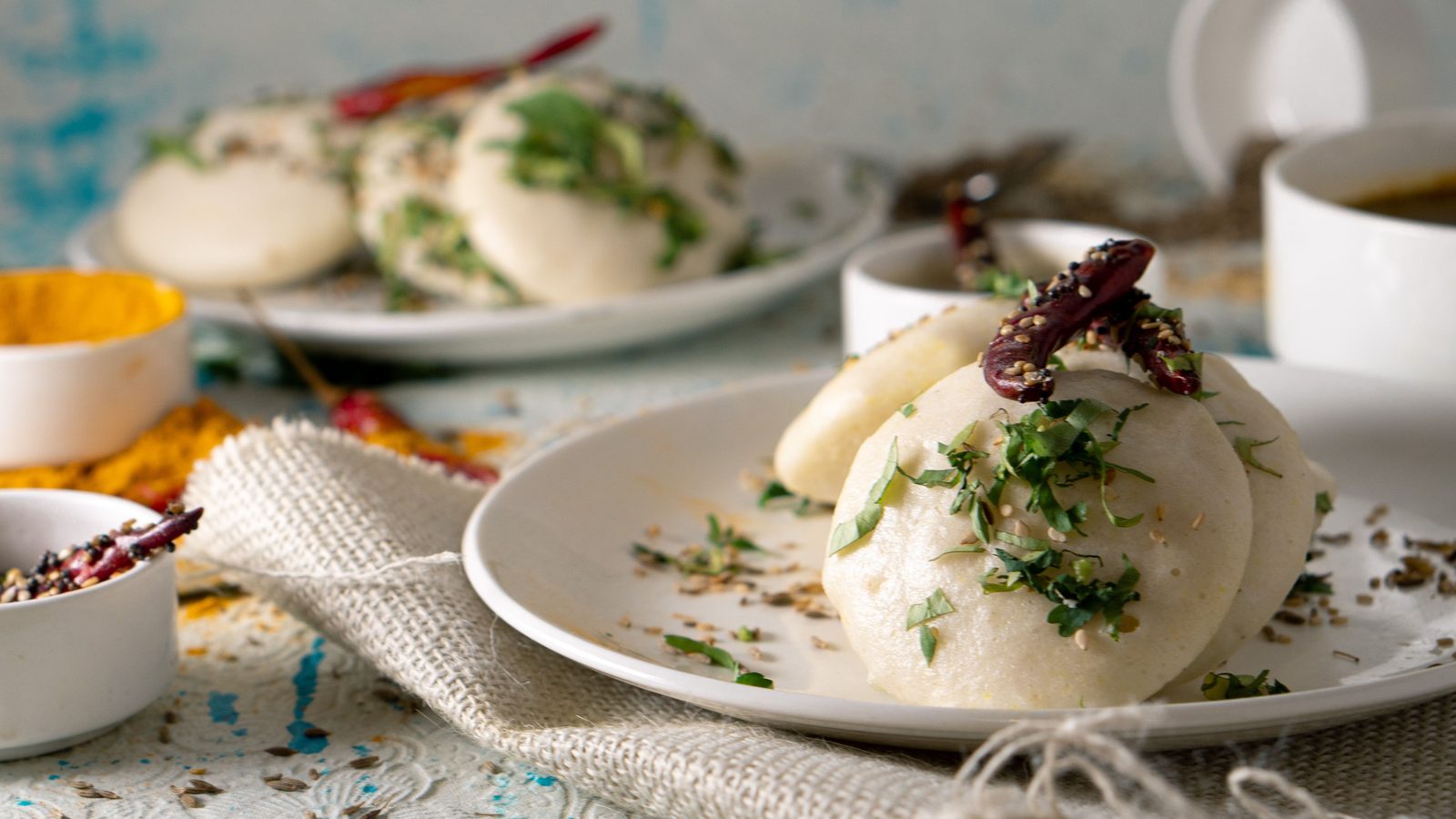
Quick answer: Idli batter not fermenting in winter is almost always a temperature problem. The bacteria that make it rise work best in a warm room, around 25 to 28°C, and slow right down in a cold kitchen. Move the batter somewhere warm, like an oven with only the light on, give it up to 24 hours, and add a spoon of old fermented batter or a little methi next time. If there are no bubbles at all after a full day, start again.
Key takeaways
- A 1965 study found one lactic acid bacterium, Leuconostoc mesenteroides, does most of the souring and gas making in idli batter.
- A home recipe guide puts the ideal fermenting temperature at 25 to 28°C. Winter kitchens are often well below that.
- Warmth, time and a starter are the three fixes that matter most.
- Once it’s risen, refrigerate the batter at 0 to 5°C so it doesn’t over-sour.
In this article, you’ll learn:
- Why idli batter rises at all
- Why idli batter not fermenting is a winter problem
- 6 fixes that work, and what to try first
- How to tell if the batter has fermented
- When to start again
Why Idli Batter Rises in the First Place
Idli batter has no yeast or baking soda in the classic recipe. It rises because of bacteria that are already on the rice and urad dal.
In 1965, food scientists studying idli batter found that the main microbe behind both the sour taste and the gas bubbles was Leuconostoc mesenteroides, a lactic acid bacterium. Their paper in Applied Microbiology, indexed on PubMed, called it the first known case of a food leavened entirely by a lactic acid bacterium. Other bacteria join in later in the fermentation.
Those bacteria make gas. The urad dal, ground smooth, traps it, and the batter swells. That’s why the dal-to-rice ratio and how well you grind matter too, and why our guide on soaking dal is worth a look if your dal is old or hard.
Why Idli Batter Not Fermenting Is a Winter Problem
Bacteria slow down in the cold. In a warm summer kitchen, batter left out overnight usually rises by morning. In winter, the same batter can sit there flat.
Chitra’s Food Book, a popular guide on winter fermenting, puts the ideal temperature at 25 to 28°C. On a cold north Indian night, or in an air-conditioned flat, the kitchen can be far cooler than that.
So when idli batter not fermenting shows up every December, it’s rarely your recipe. Usually it’s the room.
6 Fixes for Idli Batter Not Fermenting
Try these roughly in order. For idli batter not fermenting in a cold kitchen, the first two fix most cases.
1. Find a Warm Spot
Look for a place that stays a few degrees warmer than the rest of the kitchen:
- Inside the oven with only the light switched on. The bulb gives off a little steady heat. Chitra’s guide also suggests briefly warming the oven, switching it off, then putting the batter in with the light on.
- On top of the fridge, near the back where it’s warm.
- Near a room heater, but not right next to it.
- In a big bowl of warm water, covered with a thick towel. Top up the warm water when it cools, as Onmanorama’s cold-weather batter guide suggests.
Never ferment with the oven actually turned on. You’ll cook the batter, and you’ll kill the bacteria you need.
2. Give It More Time
Winter batter can take a full day. Chitra’s guide says to allow at least 24 hours in very cold weather, and not to keep opening the lid. If you grind at 9 pm and see nothing at 7 am, don’t give up. Check again at lunch.
3. Start the Batter Warm
Grind with water that’s lukewarm, not hot. Cold water from the fridge or a winter tap gives the batter a slow start. Use a large container, because batter that does rise can double.
4. Add a Starter
A spoonful or two of old fermented idli or dosa batter adds bacteria that are already active. Onmanorama and Chitra’s guide both suggest it. A spoon of ready-made idli batter from the shop can do the same job.
5. Add Methi and a Little Poha
Soak ½ to 1 teaspoon of methi (fenugreek) seeds with the urad dal, as many recipes do. Chitra’s guide also suggests grinding a handful of poha or cooked rice with the rice. Both are common South Indian kitchen tips for a softer, quicker rise.
6. Check Your Water and Salt
Chitra’s guide suggests using filtered or boiled-and-cooled water, since chlorine in tap water can slow fermentation a little. It also suggests non-iodised salt. These are small factors, so only fiddle with them after you’ve sorted out warmth and time.
How to Tell If the Batter Has Fermented
| Sign | Fermented | Not yet |
|---|---|---|
| Volume | Risen clearly, often close to double | Same level as when you made it |
| Surface | Domed, with small bubbles | Flat and smooth |
| Inside | Light and airy when you stir | Heavy and dense |
| Smell | Pleasantly sour | Raw, like plain ground rice and dal |
| Idlis | Soft and spongy | Flat, dense and chewy |
Stir gently once it’s risen. If you beat out all the air, the idlis will be flatter.
When to Start Again (and When to Throw It Out)
If there are no bubbles at all after 24 hours in a warm spot, Chitra’s guide says the batter probably won’t rise. You can still make dosa or uttapam with a flat batter, since they don’t depend on a big rise.
Throw it out if you see mould, pink or black spots, or if it smells rotten rather than sour. When in doubt, don’t eat it.
Once your batter has risen, refrigerate it. UK Food Standards Agency chilling guidance says fridges should be set between 0 and 5°C. Cold slows the bacteria down, so the batter won’t go too sour over the next few days. Take out what you need a little early so it isn’t fridge-cold when you steam it.
If you’re still stuck with idli batter not fermenting, some people add a pinch of baking soda or fruit salt to rescue weak batter. It will puff the idlis up, but it changes the taste and texture, and it doesn’t make the batter ferment. Treat it as a last resort, not a fix.
Frequently Asked Questions About Idli Batter Not Fermenting
How long does idli batter take to ferment in winter?
It depends on how cold your kitchen is. Chitra’s guide says to allow up to 24 hours in very cold weather, and in a warm spot it’s often quicker.
Should I add salt before fermenting in winter?
Many cooks do. Chitra’s guide adds it before mixing. If your batter is slow every winter, try adding salt after it has risen instead and see if it helps in your kitchen.
Can I use a pressure cooker or Instant Pot to ferment idli batter?
Some electric pressure cookers have a “yogurt” or ferment setting that keeps a low, steady warmth, and many people use it for batter. Follow your model’s manual. A stovetop pressure cooker can’t do this on its own.
Why are my idlis hard even though the batter rose?
Too little urad dal, or rice that wasn’t soaked long enough, can make idlis dense. Over-mixing the risen batter also knocks out the air.
Warmth First, Then Patience
Idli batter not fermenting in winter is frustrating, but it’s rarely a lost cause. Move it somewhere warm, give it a full day, and keep a spoon of good batter aside as next week’s starter. You’ll be steaming soft idlis again soon.
Save this for the cold months, share it with anyone who’s made flat idlis this week, and follow our WhatsApp channel for more kitchen fixes.