
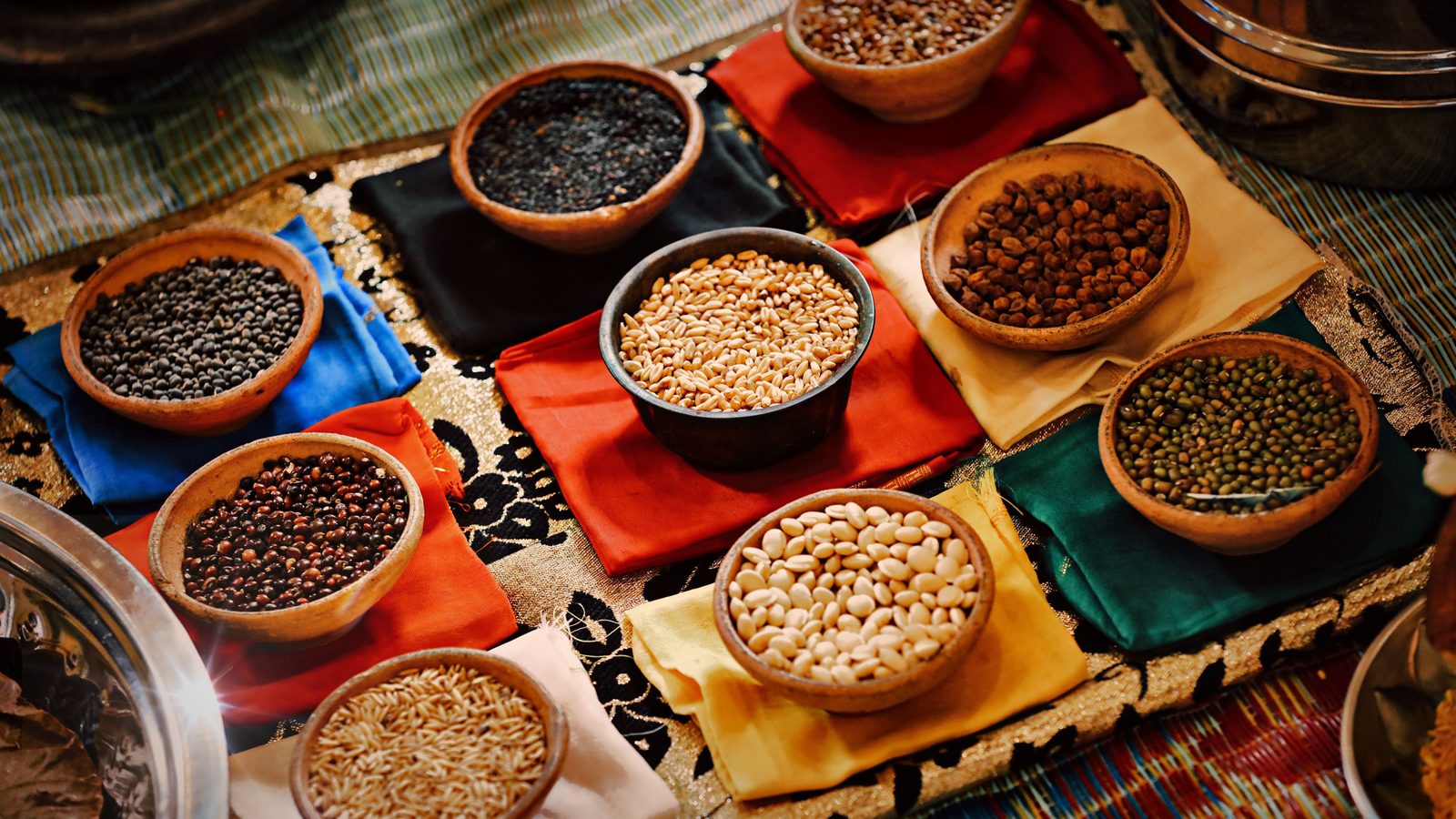
Quick answer: Soaking dal isn’t essential for small split dals like moong and masoor, but it helps with bigger ones. It cuts cooking time, helps them cook evenly and may make them easier to digest for some people. Whole beans like rajma and chole should always be soaked overnight and then boiled well. Raw or undercooked kidney beans contain a natural toxin that proper soaking and boiling destroys.
Key takeaways
- Split moong and masoor: soaking is optional, 15–30 minutes is plenty.
- Toor and chana dal: 30 minutes to 2 hours saves gas and time.
- Rajma, chole, whole urad: soak 8–12 hours or overnight.
- Throw away the soaking water for beans and cook in fresh water.
Soaking Dal: Why People Do It
Most Indian kitchens have someone who swears by soaking dal and someone who never bothers. Both get dal on the table. So does soaking dal matter, or is it just habit?
The short answer: it depends on the dal. For tiny split dals the difference is small. For big, whole beans it makes a real difference in cooking time, texture and, in the case of rajma, safety.
In this article, you’ll learn:
- Which dals need soaking and for how long
- What soaking changes in cooking time and texture
- Whether soaking dal helps with gas and bloating
- The rajma rule you should never skip
- Quick fixes when you forgot to soak
Soaking Dal Chart: Times for Common Dals
| Dal or bean | Soak needed? | Soak time | Rough pressure cooker time after soaking |
|---|---|---|---|
| Moong dal (split, yellow) | Optional | 15–30 min | 2–3 whistles |
| Masoor dal (red lentil) | Optional | 15–30 min | 2 whistles |
| Toor / arhar dal | Helpful | 30 min–2 hrs | 3–4 whistles |
| Chana dal | Helpful | 1–2 hrs | 4–5 whistles |
| Urad dal (split) | Helpful | 1–2 hrs | 3–4 whistles |
| Whole moong | Recommended | 4–6 hrs | 3–4 whistles |
| Rajma (kidney beans) | Essential | 8–12 hrs / overnight | 15–20 min on medium after first whistle |
| Kabuli chana (chole) | Essential | 8 hrs / overnight | 5–6 whistles |
| Kala chana | Essential | 8 hrs / overnight | 6–7 whistles |
Cooking times vary with your cooker, the age of the dal and how soft you like it. Older, drier dal takes longer.
What Soaking Dal Changes
Cooking time and gas
Soaked dal absorbs water before it hits the heat, so it softens faster. For bigger dals and beans, that can mean fewer whistles and less LPG. Over a month of daily dal, it adds up.
Even texture
Unsoaked chana dal or rajma can turn mushy outside and stay hard inside. Soaking helps them cook evenly, so you get soft grains that still hold their shape.
Digestion
Many people find soaked dals and beans cause less gas. Pulses contain certain sugars that our gut bacteria ferment, which causes bloating. Soaking and discarding the water can reduce some of these. Soaking may also lower some phytic acid, a compound that can reduce how well minerals like iron and zinc are absorbed. The effect varies, and cooking does much of the work too.
The ICMR-NIN dietary guidelines encourage pulses as a key protein source for Indian diets. Soaking simply makes them easier to cook and, for many people, easier on the stomach.
The Rajma Rule: Never Skip Soaking and Boiling
Raw red kidney beans contain a natural toxin called phytohaemagglutinin. Eating raw or undercooked rajma can cause nausea, vomiting and stomach pain. Hong Kong’s Centre for Food Safety says the toxin is destroyed by soaking the beans well and cooking them thoroughly at boiling temperature. It also warns that slow cookers may not get hot enough. UK NHS diet leaflets give similar advice: soak overnight, drain, then boil hard for about 10 minutes before cooking until soft.
In practice for Indian kitchens:
- Soak rajma overnight.
- Throw away the soaking water.
- Pressure cook in fresh water until fully soft. A grain should mash easily between your fingers.
- Never cook rajma in a slow cooker from raw at low heat.
Canned rajma is already cooked and safe to use directly.
Forgot to Soak? Quick Fixes
| Problem | Quick fix |
|---|---|
| Forgot to soak toor or chana dal | Soak in hot water for 30 minutes, then cook |
| Forgot to soak rajma or chole | Boil for 2–3 minutes, cover and rest 1 hour, drain, then cook fully |
| Dal still hard after cooking | Add hot water and give 1–2 more whistles |
| No time at all | Use moong or masoor dal, which cook fast without soaking |
The hot-soak method isn’t as good as an overnight soak, but it works in a pinch. For rajma, still boil it fully until soft.
How to Soak Dal the Right Way
A few small habits make soaking work better:
- Rinse first. Wash the dal 2–3 times until the water runs mostly clear. This removes dust and loose starch that causes froth in the cooker.
- Use enough water. Cover the dal with at least two to three times its volume of water. Beans swell a lot, so use a big bowl.
- Keep it covered. A plate on top keeps dust and insects out.
- Mind the weather. In warm kitchens, long soaks can start to ferment. For overnight soaks in hot weather, keep the bowl in the fridge.
- Drain and rinse again before cooking beans, then cook in fresh water.
| Mistake | What happens | Fix |
|---|---|---|
| Soaking in too little water | Top layer stays hard | Use 2–3 times the water |
| Soaking chana dal for a full day | Turns mushy, may smell sour | 1–2 hours is enough |
| Cooking beans in the soak water | More gas for many people | Drain and use fresh water |
| Adding salt before beans soften | Some cooks find it slows softening | Add salt after cooking |
Does Soaking Dal Lose Nutrients?
A little of some water-soluble vitamins can move into the soaking water. The loss is small compared with the benefits for bigger dals. If you’re soaking small split dals for a short time, you can cook them in the same water if you like. For beans like rajma and chole, discard it.
If your dal froths and spills in the cooker, see our pressure cooker overflowing fix. And if you’re cooking rice alongside, our guide on why rice turns sticky helps you get both right.
Frequently Asked Questions About Soaking Dal
Q: Is soaking dal necessary?
Not for small split dals like moong and masoor. It helps for toor, chana and urad dal, and it’s essential for rajma, chole and other whole beans.
Q: How long should I soak toor dal?
About 30 minutes to 2 hours. Longer soaking isn’t harmful but doesn’t add much.
Q: Should I throw away the soaking water?
For whole beans, yes. For short-soaked split dals, it’s up to you.
Q: Can I soak dal overnight in summer?
Yes, but in hot weather keep it in the fridge or change the water once so it doesn’t ferment or smell.
The Bottom Line
Soaking dal isn’t a rule for every dal, but it’s a smart habit for the bigger ones. It saves gas, gives better texture and may reduce bloating. For rajma and chole, it isn’t optional at all. Soak overnight, discard the water and cook until fully soft.
Save this soaking chart, share it with your family group, and follow SmartCooking.in on WhatsApp for more simple kitchen fixes.