
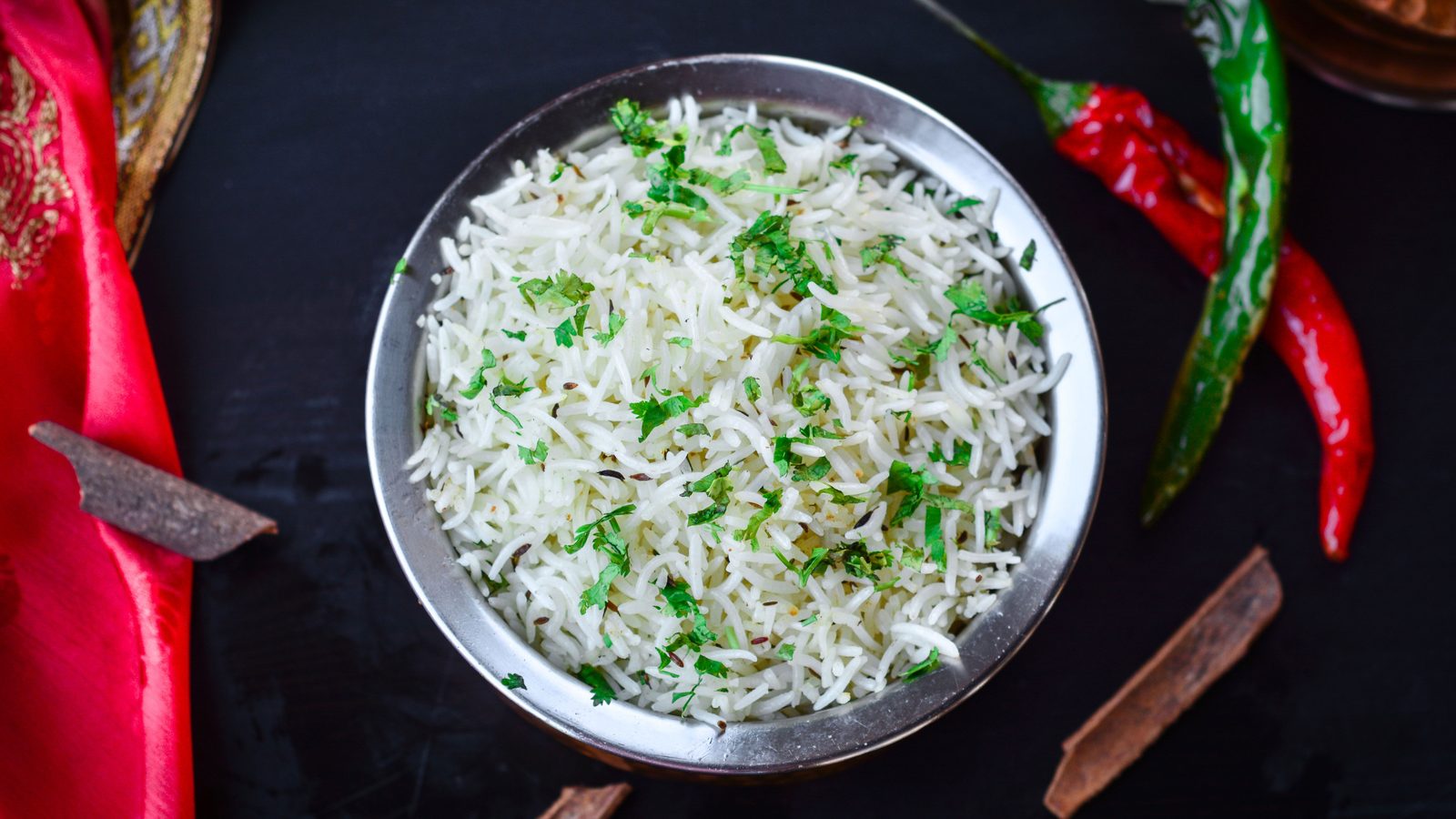
Quick answer: Rice turns sticky when there’s too much surface starch, too much water, or it’s stirred while cooking. Rinse the rice 3–4 times until the water runs almost clear, soak basmati for 20–30 minutes, use the right water ratio for your rice type, don’t stir after it starts cooking, and let it rest 5–10 minutes before fluffing with a fork.
Key takeaways
- Rinse until the water is nearly clear. It removes loose starch.
- Different rice needs different water. Basmati needs less than most people use.
- Don’t stir once the rice is cooking. Stirring releases starch.
- Rest the rice off the heat, covered, before you open it.
Why Is My Rice Sticky?
You wanted separate, fluffy grains for pulao or dal-chawal. Instead you got a sticky clump that sticks to the spoon. It happens in almost every kitchen, and it’s rarely the rice’s fault.
When rice is sticky, the cause is almost always starch. Rice grains have loose starch on the surface. Add extra water, stir the pot or skip the rinse, and that starch turns into a glue that binds the grains together.
In this article, you’ll learn:
- The main reasons that make your rice sticky
- Water ratios for common Indian rice types
- 6 fixes for fluffy rice in a pot, cooker or rice cooker
- How to rescue rice that’s already sticky
5 Reasons That Make Your Rice Sticky
- Not rinsing. Loose starch on the grains becomes a sticky coating.
- Too much water. The grains swell, burst and release more starch.
- Stirring while cooking. Every stir breaks grains and releases starch.
- Opening the lid too early. Steam escapes, the top stays undercooked, and people add more water.
- Wrong rice for the dish. Short, starchy varieties make rice sticky by nature, and they’re meant to be soft. Long-grain basmati is better for pulao and biryani.
Water Ratio Guide to Stop Rice Sticky Results
Water ratios vary with the rice, its age and your pot, so treat these as starting points. Older (aged) rice usually needs a little more water than new rice.
| Rice type | Rinse | Soak | Water (open pot, absorption) | Pressure cooker water | Cooker whistles |
|---|---|---|---|---|---|
| Basmati | 3–4 times | 20–30 min | 1 : 1.5 to 1 : 1.75 | 1 : 1.5 | 1 |
| Sona masoori | 3 times | 10–15 min | 1 : 2 | 1 : 2 | 2 |
| Kolam | 3 times | 10 min | 1 : 2 | 1 : 1.75 | 2 |
| Brown rice | 2–3 times | 30–60 min | 1 : 2.5 | 1 : 2.25 | 3–4 |
| Ponni / boiled rice | 3 times | 20 min | 1 : 2.5 | 1 : 2.5 | 3 |
If you soak the rice, reduce the water slightly, because the grains have already absorbed some.
6 Fixes for Fluffy Rice
1. Rinse properly
Wash the rice in a bowl of water, swirl it with your hand, and pour the cloudy water away. Repeat 3–4 times until the water is almost clear. This one step fixes most rice sticky problems, especially with basmati.
2. Soak long-grain rice
Soaking basmati for 20–30 minutes helps it cook evenly and stay long and separate. Drain it well before cooking.
3. Measure the water
Too much water is the second most common reason rice turns out sticky. Use the same cup for rice and water. Guessing is how you end up with mushy rice. Start with the ratios in the table and adjust by a few spoons next time.
4. Add a few drops of oil or ghee and a little lemon
A few drops of oil or ghee coat the grains. A squeeze of lemon juice helps keep basmati white and separate. Neither will save rice cooked in too much water, but they help.
5. Don’t stir, don’t peek
Stirring is what turns a good pot of rice sticky in the last five minutes. Once the water boils and you lower the heat, cover the pot and leave it. Stirring breaks grains. Lifting the lid lets the steam out.
6. Rest, then fluff
Turn off the heat and leave the rice covered for 5–10 minutes. Then fluff gently with a fork, not a heavy spoon.
The pasta method for very fluffy rice
For pulao or fried rice, you can boil rice in plenty of water like pasta, test a grain, then drain it in a colander. The grains stay very separate. This does wash away some water-soluble nutrients, so use it for special dishes rather than every day.
Rice in the Pressure Cooker or Rice Cooker
In a pressure cooker, use slightly less water than in an open pot, cook for the whistles listed above on medium heat, and let the pressure drop naturally before opening. Overfilling the cooker can also cause spills; see our pressure cooker overflowing fix.
In an electric rice cooker, follow the water lines inside the bowl, and let the rice sit on “keep warm” for 10 minutes after it switches off.
How to Rescue Rice That’s Already Sticky
If the rice is sticky already, don’t throw it away. Try one of these:
- Slightly sticky: Spread it on a large plate or tray to cool and let steam escape. Fluff with a fork.
- Too wet: Return to very low heat, uncovered, for 3–5 minutes to dry out.
- Truly mushy: Don’t fight it. Turn it into curd rice, khichdi, lemon rice with extra tadka, or rice kheer.
Leftover rice: store it safely
Cooked rice left at room temperature can grow bacteria that survive reheating. Food safety experts advise cooling leftover rice quickly, putting it in the fridge as soon as possible, eating it within about a day, and reheating it only once until steaming hot, because spores of the bacterium Bacillus cereus can survive cooking (McGill University’s Office for Science and Society explains why). The FSSAI also shares food safety tips for home kitchens. Day-old rice from the fridge is perfect for fried rice, because it’s drier.
For a quick dinner with that leftover rice, try one of these induction cooktop recipes.
Frequently Asked Questions About Rice Sticky Problems
Q: Why is my rice sticky even after washing?
You may be using too much water, stirring while it cooks, or opening the lid too soon. Check the water ratio for your rice type and leave the pot covered until it rests.
Q: How much water for 1 cup of basmati rice?
For soaked basmati in an open pot, start with about 1½ to 1¾ cups of water. In a pressure cooker, about 1½ cups for 1 whistle on medium heat.
Q: Does adding oil stop rice from sticking?
A few drops help a little by coating the grains, but they won’t fix too much water or unwashed rice. Rinsing and the right ratio matter more.
Q: Is sticky rice bad for health?
No. It’s just a texture issue. Sticky rice is safe to eat as long as it’s cooked properly and stored safely.
Fluffy Rice, Every Time
Sticky rice is almost always about starch, water and handling. Rinse well, measure the water for your rice type, don’t stir, and give it a rest before fluffing. Once you’ve fixed your ratio, write it on a sticky note inside a kitchen cupboard so the whole family gets it right.
Save this guide for your next pulao, share it with someone who keeps getting mushy rice, and follow SmartCooking.in on WhatsApp for more everyday kitchen fixes.