
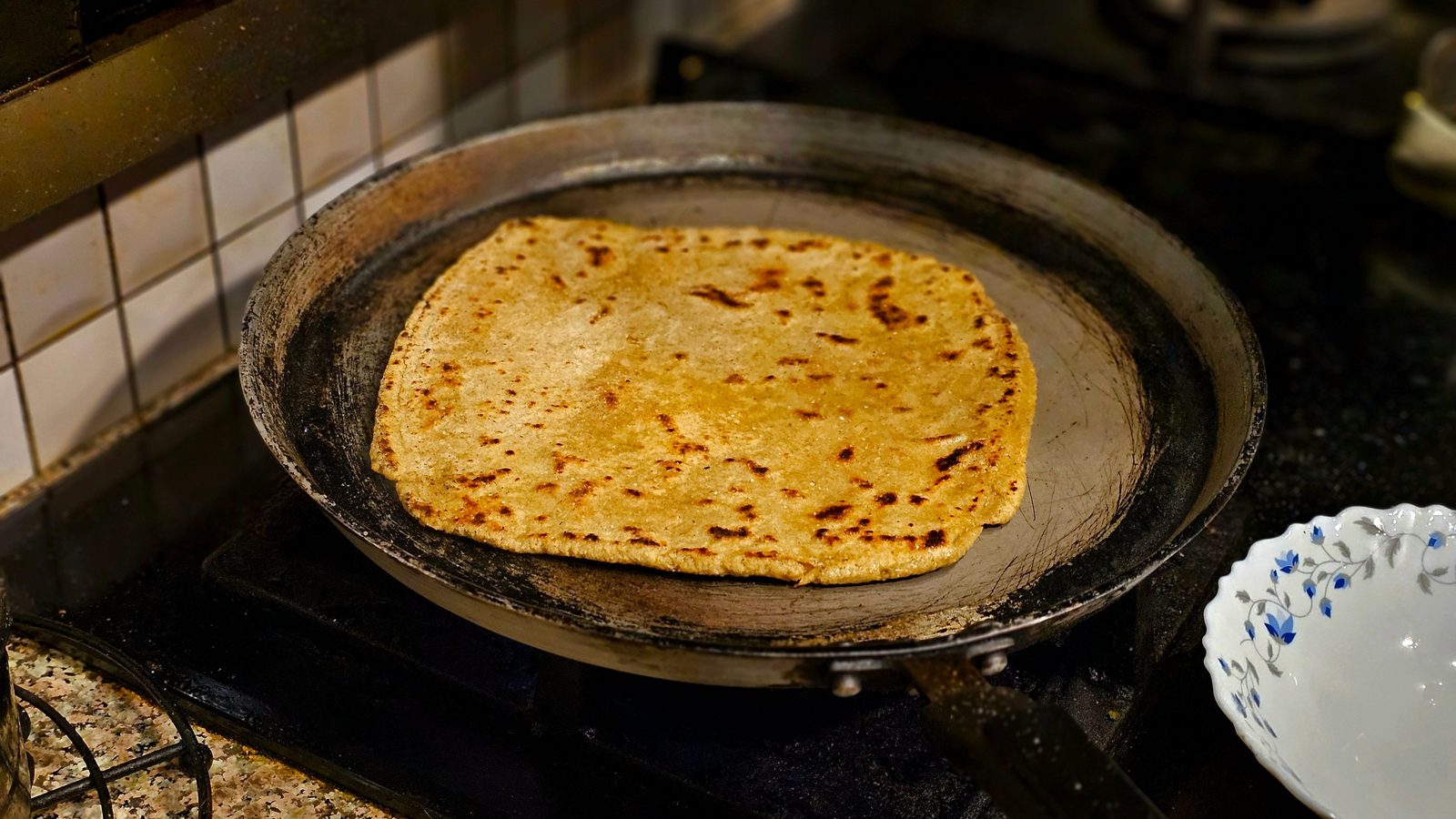
Quick answer: To make thepla for travel that stay soft, knead whole wheat atta and methi with thick curd, a little oil and only a splash of water into a soft dough. Roll them thin, roast on medium heat with oil on both sides until there are no raw patches, then cool them fully, spread out, before packing. Wrap them in a clean cotton cloth inside a box and eat them within about two days, sooner if the weather is warm.
Key takeaways
- Curd and oil in the dough keep thepla soft. Too much water makes them dry and hard by the next day.
- Roast them properly. Undercooked patches stay moist and spoil faster.
- Never pack them hot. Trapped steam makes them soggy and shortens how long they last.
- Thepla are a dry snack, so pair them with dry sides like pickle, chhundo or dry aloo sabzi, not wet curries.
In this article, you’ll learn:
- An easy methi thepla recipe that works for travel
- The five mistakes that make thepla hard or soggy
- How to cool, wrap and pack them for a train or road trip
- How long thepla last and when to throw them out
- What to carry with them
Why Thepla Are the Classic Travel Food
With Diwali on Sunday 8 November, a lot of families are about to pack bags and board trains, buses and cars to go home. And in many Gujarati homes, the first thing that goes into the food bag is a stack of thepla.
There’s a good reason. Thepla are cooked till dry on the outside, they don’t need heating, and they’re easy to eat with your hands in a crowded coach. That’s what makes thepla for travel such an easy pick. Unlike puris they aren’t deep-fried, and unlike stuffed parathas there’s no wet filling that can turn. Done right, they’re still soft when you open the box the next morning.
Done wrong, they’re stiff, chewy discs by lunchtime. The difference is mostly in the dough, the roasting and the packing, and none of it takes extra time.
Easy Methi Thepla Recipe for Travel
This makes about 12 medium thepla.
| Ingredient | Amount |
|---|---|
| Whole wheat atta | 2 cups |
| Fresh methi leaves, washed and finely chopped | 1 cup, packed |
| Besan (optional, for flavour) | 2 tablespoons |
| Thick curd | ¼ cup, plus a little more if needed |
| Oil | 2 tablespoons in the dough, more for roasting |
| Ginger-green chilli paste | 1 teaspoon |
| Turmeric | ½ teaspoon |
| Red chilli powder | 1 teaspoon |
| Ajwain | ½ teaspoon |
| White til (sesame) | 1 teaspoon |
| Sugar or grated jaggery | 1 teaspoon (optional) |
| Salt | to taste |
Method:
- Wash the methi leaves well and dry them on a cloth. Wet leaves add hidden water to the dough.
- In a big bowl, mix the atta, besan, methi, spices, til, salt and sugar.
- Add 2 tablespoons of oil and rub it in with your fingers.
- Add the curd and knead. Methi releases moisture as you knead, so wait a minute before adding anything else. Add water only a teaspoon at a time, just until you get a soft dough that doesn’t stick.
- Cover and rest for 15–20 minutes.
- Divide into 12 balls. Roll each one thin, about the size of a chapati, dusting with a little atta.
- Roast on a hot tava over medium heat. Flip when small bubbles appear. Brush oil on both sides and press gently with a spatula.
- Cook until both sides have golden-brown spots and there are no pale, raw patches.
If you want more ideas for quick rotis and snacks, our leftover roti recipes turn any extras into something new at home.
5 Mistakes That Make Thepla for Travel Hard or Soggy
| Mistake | What happens | Fix |
|---|---|---|
| Kneading with lots of water | Dough feels soft, but thepla dry out and turn stiff by the next day | Use curd and oil as the main binder; add water by the teaspoon |
| A stiff dough | Thepla crack and feel chewy | Knead to a soft, pliable dough and rest it |
| Rolling too thick | Centre stays doughy and moist | Roll thin and even |
| Roasting on high heat | Outside browns, inside stays raw | Use medium heat and cook till there are no pale patches |
| Packing them hot | Steam gets trapped, thepla turn soggy and spoil faster | Cool them fully, spread out, before stacking |
The last mistake is the most common. It’s tempting to stack hot thepla straight into a box at 5 am before you leave for the station. But warm, damp food in a closed box is exactly what you want to avoid. The World Health Organization’s Five Keys to Safer Food include “keep food at safe temperatures”, and a warm, steamy box isn’t one.
How to Pack Thepla for Travel
- Cool them fully. Lay the thepla out in a single layer on a plate or rack for 20–30 minutes, until they’re at room temperature all the way through.
- Stack and wrap in cloth. Stack them and wrap the stack in a clean, dry cotton cloth or a cotton napkin. The cloth absorbs any leftover moisture.
- Put the bundle in a box or a zip bag. This stops them from drying out in the air.
- Pack sides separately. Keep pickle, chhundo or chutney in small, leak-proof jars, away from the thepla.
- Keep the bag out of the sun. Don’t leave the food bag on a sunny window seat or in a hot car boot.
Some families also wrap the cloth bundle in foil. That’s fine as long as the thepla are completely cool before you do it, so no steam gets trapped inside.
How Long Does Thepla for Travel Last?
Thepla keep better than most cooked food because they’re dry, but they don’t last forever. There’s no official shelf life for home-made thepla. As a practical guide, many families eat them within about two days in cool weather. In warm weather, a hot train coach or a closed car, plan to finish them sooner.
Always check before you eat. Throw them out if you notice:
- A sour or “off” smell
- A slimy or sticky surface
- Any spots of mould, even small ones
If you’re travelling for longer than two days, it’s safer to pack khakhra, mathri or dry snacks for the later part of the trip, or buy fresh food on the way.
What to Pair With Thepla on a Trip
When you pack thepla for travel, pick sides that don’t spill and don’t spoil quickly:
- Mango or lime pickle
- Chhundo (sweet grated mango pickle)
- Dry garlic or peanut chutney powder
- Dry aloo sabzi, eaten on the first day
- A few roasted chana or peanuts for extra protein
Skip curd, raita and wet curries for long journeys unless you can keep them cool. For more lunch-box ideas that pack well, see our 15-minute tiffin recipes.
Whole wheat atta and leafy greens like methi are the kind of everyday foods India’s ICMR-NIN dietary guidelines recommend building meals around, so thepla are a sensible choice for a travel day too.
Frequently Asked Questions About Thepla for Travel
Q: Can I make thepla for travel the night before?
Yes. Cook them in the evening, cool them fully, wrap them in a cloth inside a box and keep them in a cool spot overnight. Pack them in the morning.
Q: Should I put curd in thepla for travel?
Curd helps keep thepla soft, and it’s what most traditional recipes use. Some cooks use a little less curd and a bit more oil when they’re packing for a longer trip. Either way, make sure the thepla are well roasted.
Q: Can I use dried kasuri methi instead of fresh?
Yes. Use about 2–3 tablespoons of kasuri methi for 2 cups of atta. The flavour is stronger and the dough needs a little less kneading, since there’s no moisture from fresh leaves.
Q: How do I soften thepla that have gone stiff?
At home, warm them for a few seconds on a tava, or wrap them in a damp cloth and heat briefly. On a train, keeping them wrapped in cloth inside a box is the best way to stop them drying out in the first place.
Pack Smart, Eat Well on the Way Home
Good thepla for travel come down to three habits: knead with curd and oil, roast them till there are no raw patches, and cool them fully before packing. Wrap them in cloth, keep them out of the sun and eat them within about two days.
Save this recipe for your Diwali trip, share it with family who are travelling home, and follow SmartCooking.in on WhatsApp for quick Indian recipes every day.