
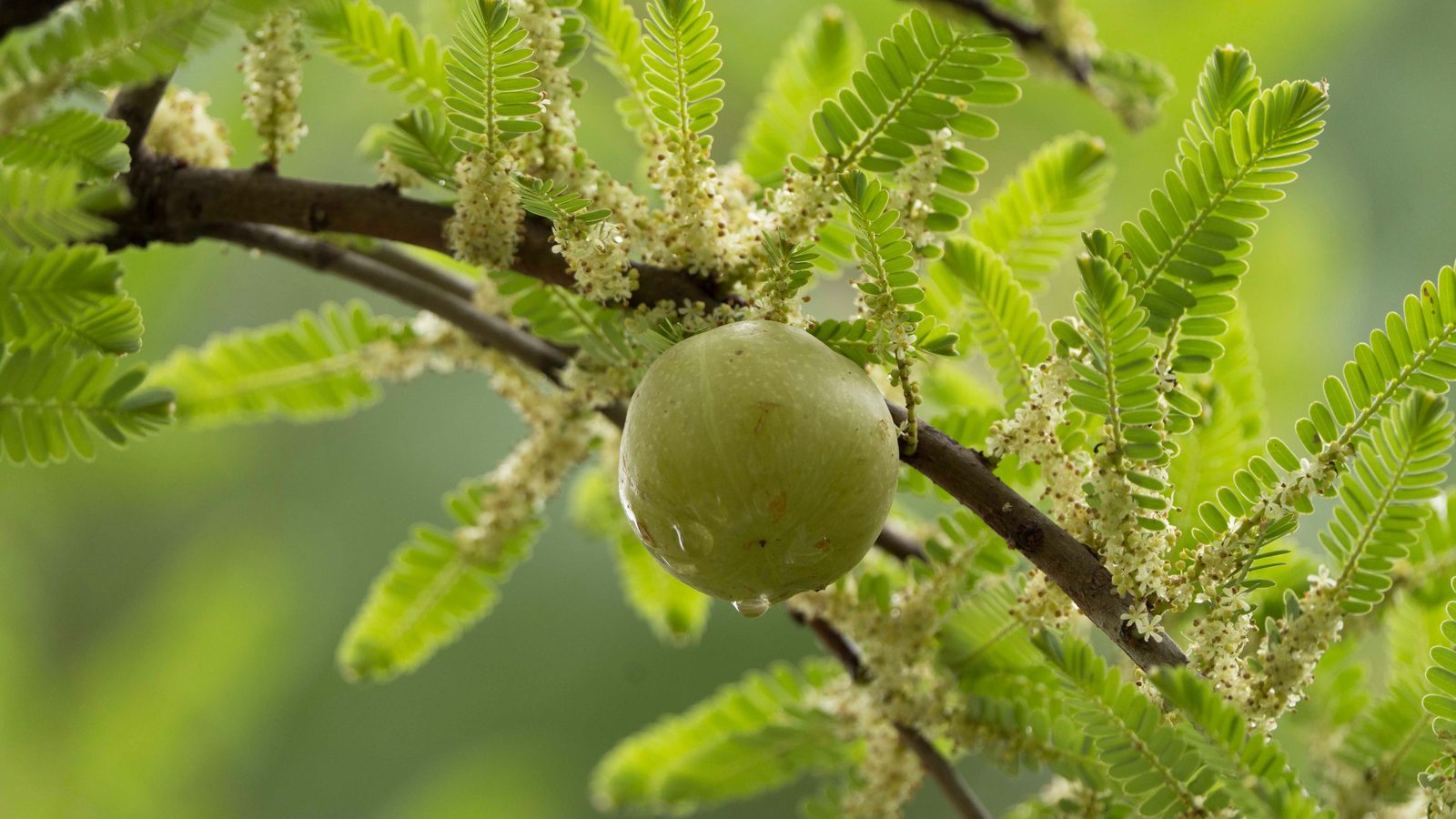
Quick answer: For a quick amla chutney, deseed 6 fresh amla, then grind them raw with a handful of coriander, 1–2 green chillies, a small piece of ginger, roasted jeera, salt and 1–2 teaspoons of jaggery. Add a few spoons of water and blend till smooth. It takes about 10 minutes, needs no cooking, and keeps in a clean jar in the fridge for 2–3 days.
Key takeaways
- Amla chutney is a no-cook recipe. Grinding the fruit raw keeps the fresh, sharp taste, and raw fruit keeps more of its vitamin C than cooked fruit.
- Jaggery and salt balance amla’s sourness and slight bitterness. Start small and taste.
- Four easy variations: mint, sweet-sour jaggery, peanut and garlic.
- Make small batches, store in a clean, dry jar in the fridge and use within 2–3 days.
In this article, you’ll learn:
- A basic 10-minute amla chutney recipe with exact amounts
- How to cut amla and remove the seed without a fight
- How to fix chutney that’s too sour, bitter or watery
- Four quick variations and what to eat them with
Why Amla Chutney Makes Sense Right Now
As the weather cools, fresh amla starts piling up at vegetable carts and markets across India. Most families turn it into murabba, pickle or candy. Those are lovely, but they take days and a lot of sugar or oil. A raw amla chutney takes ten minutes and goes with almost everything on the plate.
Amla is famous for its vitamin C. Lab figures vary a lot between varieties, so we won’t quote one number here. What we do know is how vitamin C behaves. The Harvard T.H. Chan School of Public Health’s Nutrition Source page on vitamin C explains that heat and light can break it down, and because it dissolves in water, some leaks into cooking liquid. Quick methods and raw produce hold on to more of it.
The NHS page on vitamin C adds that your body can’t store it, so you need some every day. A spoon of raw amla chutney at lunch is an easy way to add a vitamin C-rich fruit to a normal Indian meal.
Amla Chutney Ingredients (Makes About 1 Small Bowl)
| Ingredient | Amount | Why it’s there |
|---|---|---|
| Fresh amla | 6 medium | The base: sour, fresh and a little bitter |
| Fresh coriander (with tender stems) | 1 cup, loosely packed | Colour and freshness |
| Green chillies | 1–2 | Heat; adjust to taste |
| Ginger | ½ inch piece | Warmth |
| Roasted jeera powder | ½ teaspoon | Earthy flavour |
| Jaggery, grated | 1–2 teaspoons | Balances sourness |
| Salt | ½ teaspoon, to taste | Balances bitterness |
| Black salt (optional) | A pinch | Chaat-like tang |
| Water | 2–4 tablespoons | For blending |
Look for amla that are firm, shiny and pale green to yellow-green, without soft brown spots.
How to Make Amla Chutney in 10 Minutes
Step 1: Wash and cut the amla
Wash the amla well under running water and pat them dry. Each amla has faint lines running from top to bottom that split it into about six segments. Place the amla on a board and slice down along these lines with a sharp knife, working around the hard seed in the centre. The segments come away easily and the seed is left behind. Throw the seeds away.
Tip: If the amla are very hard, you can steam them whole for 5 minutes so the segments pull apart by hand. This softens the taste a little, but you’ll lose some of the raw, sharp flavour and probably some vitamin C, so do it only if you need to.
Step 2: Load the mixer jar
Add the amla pieces, coriander, chillies, ginger, jeera, jaggery and salt to the small chutney jar of your mixer. Add 2 tablespoons of water.
Step 3: Blend in short pulses
Pulse a few times, scrape down the sides, then blend till smooth. Add a little more water only if the blades are stuck. Amla is fibrous, so a small jar works better than a big one. If your mixer struggles with chutneys, our guide to the best mixer grinder under ₹2,000 for chutney paste explains what to look for.
Step 4: Taste and adjust
Taste a little on a spoon. Too sour? Add another half teaspoon of jaggery. Flat? Add a pinch more salt or black salt. Too hot? Add more coriander and pulse again.
Step 5 (optional): A quick tadka
Heat 1 teaspoon of oil, add ½ teaspoon of mustard seeds and a few curry leaves, and pour this over the chutney once they crackle. Only the tadka is cooked, so the chutney itself stays raw.
Fixing Common Amla Chutney Problems
| Problem | Likely cause | Fix |
|---|---|---|
| Too sour | Very tart amla | Add jaggery ½ teaspoon at a time, or more coriander |
| Bitter aftertaste | Natural astringency of amla, or a seed bit left in | Add a pinch of salt and jaggery; make sure every seed is out |
| Watery | Too much water added | Blend in a few more amla pieces or a spoon of roasted peanuts |
| Coarse and stringy | Large jar or too little blending | Use the small jar, pulse in short bursts and scrape down often |
| Turns dark by evening | Air and time | Store covered in the fridge and make smaller batches |
4 Easy Amla Chutney Variations
Mint amla chutney: Swap half the coriander for mint leaves. Great with parathas and pakoras.
Sweet-sour jaggery chutney: Use 1 tablespoon of jaggery, skip the coriander and add ½ teaspoon of roasted saunf. It works as a dip and kids often like it more than the green version.
Peanut amla chutney: Add 2 tablespoons of roasted peanuts. It gets thicker and milder, and pairs well with dosa, idli or a simple dal-chawal.
Garlic amla chutney: Add 2 small cloves of garlic and a dry red chilli instead of green. Strong flavour, so serve small portions alongside bajra or jowar roti.
What to Eat Amla Chutney With
- Dal-chawal or khichdi, a spoon on the side
- Parathas, theplas and stuffed rotis
- Pakoras, cutlets and dhokla
- Inside a sandwich or a roti roll with paneer
- With curd rice in a lunch box (pack it in a small separate box)
Packing tiffins this week? These 15-minute tiffin recipes for kids pair well with a small box of mild, sweet amla chutney.
How to Store Amla Chutney
Fresh green chutneys don’t keep long. Spoon it into a clean, completely dry glass jar, close it tightly and refrigerate. Always use a dry spoon. A wet spoon brings in water and spoils it faster. We suggest using it within 2–3 days, and throwing it out sooner if it smells off, fizzes or grows mould.
If you’ve got a big bag of amla, it’s better to make a fresh small batch every few days than one big batch for the week.
Frequently Asked Questions About Amla Chutney
Q: Do I need to boil amla for chutney?
No. Raw amla chutney is the quickest version and keeps the fresh taste. Steam the amla for 5 minutes only if they’re too hard to cut.
Q: How do I make amla chutney less sour?
Add a little jaggery and salt, and use more coriander or mint. Peanuts or coconut also soften the sourness.
Q: Can I make amla chutney without sugar or jaggery?
Yes. Skip the jaggery and add a bit more salt, black salt and coriander. It’ll be sharper, but it still balances well with dal-rice or parathas.
Q: How long does amla chutney last in the fridge?
Use it within 2–3 days. Keep it in a clean, dry, airtight jar and always use a dry spoon.
The Bottom Line
Amla season is short, and a raw amla chutney is the easiest way to use it. Ten minutes, one mixer jar, no stove needed. Balance the sourness with jaggery and salt, try a variation or two, and make small batches so it always tastes fresh.
Save this recipe for your next market trip, share it with someone who has a bag of amla and no plan, and follow SmartCooking.in on WhatsApp for quick Indian recipes every day.