
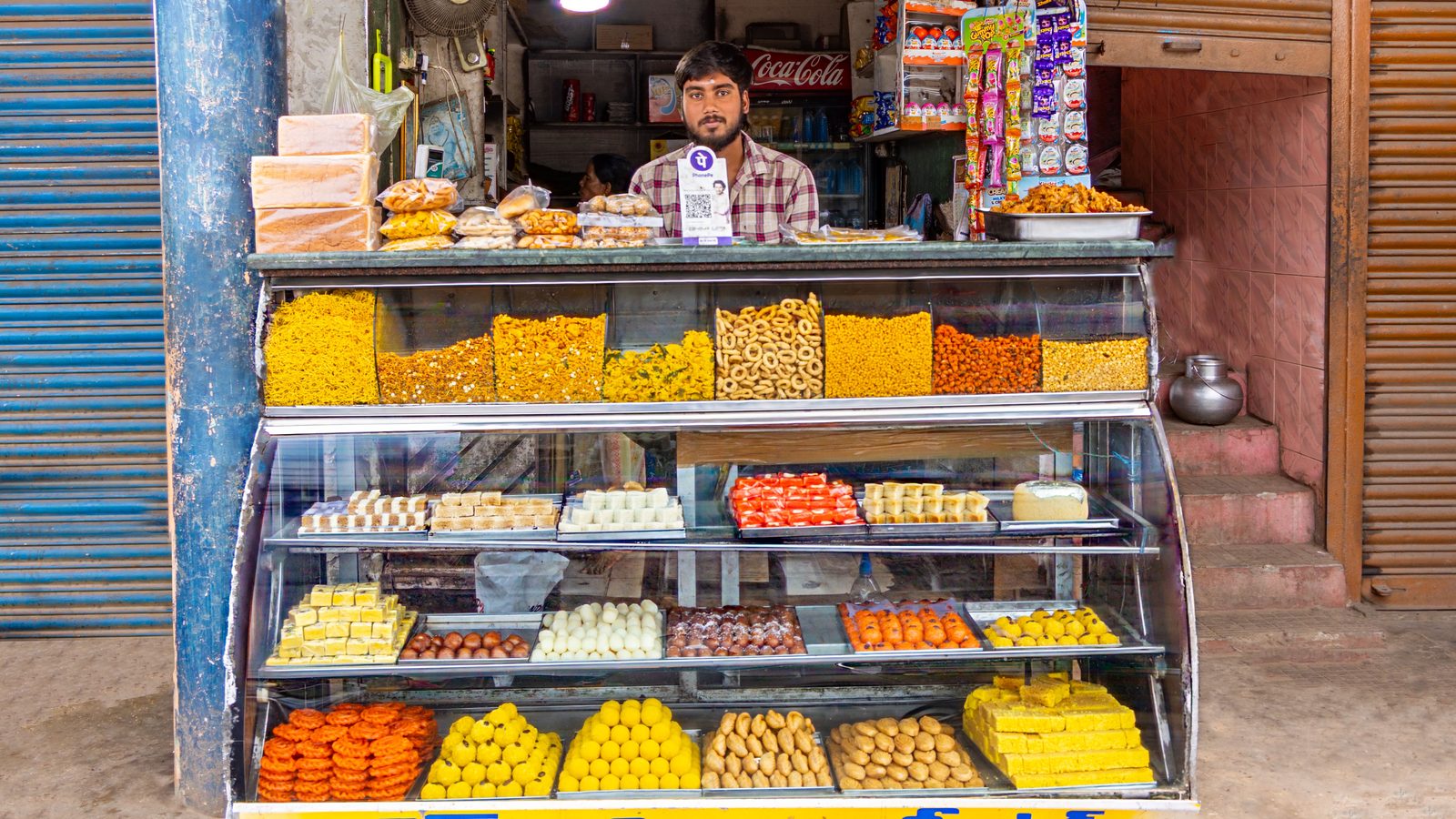
Quick answer: FSSAI has told food businesses to keep perishables like khoa and paneer at prescribed temperatures all the way from the source to the customer, in clean, covered vehicles and food-grade packaging. Stock that breaks these rules can be seized and destroyed. For you, the takeaway is simple: buy khoa and paneer only from a shop that keeps them chilled, check the smell and texture, and get them into your fridge fast.
Key takeaways
- The FSSAI advisory, dated 15 October 2026 and shared on 18 October, covers khoa, paneer, meat and fish.
- Businesses must keep the cold chain unbroken and avoid gunny bags or non-food-grade coverings.
- Food safety officers have been asked to step up inspections and transport checks.
- At home, refrigerate quickly and don’t leave khoa or paneer at room temperature for hours.
In this article, you’ll learn:
- What the FSSAI advisory says
- Why milk-based foods spoil fast when they aren’t kept cold
- Six checks to do before you pay
- How to store them at home during Diwali cooking
What FSSAI Said About Khoa and Paneer
The Food Safety and Standards Authority of India issued an advisory on handling, storing and transporting perishable foods under controlled temperatures. It names “khoa, paneer, meat, fish, etc.” and applies to everyone in the chain: makers, packers, warehouses, transporters, distributors and sellers. Business Today reported the details on 18 October.
According to the reports, businesses must:
- Keep the prescribed temperature from sourcing to delivery
- Use clean, covered, hygienic vehicles meant for food
- Use food-grade packaging, not gunny bags or other non-food coverings
- Protect stock from dust, moisture, pests and cross-contamination
- Keep invoices and records so each consignment can be traced
FSSAI has asked state food safety commissioners, Indian Railways and its regional directors to have officers watch for violations during inspections and transport checks. If they find a problem, the food can be seized and destroyed. The rules come from Schedule 4 of the 2011 licensing regulations, so this isn’t a new law. It’s a push to enforce existing ones.
Why These Dairy Foods Need the Cold
Khoa and paneer are both made from milk, they’re moist, and they’re full of protein. That makes them great food for us and for bacteria too. When they sit warm for hours, in a hot truck or an open tray, germs multiply fast, even if the product looks fine.
The WHO’s Five Keys to Safer Food puts “keep food at safe temperatures” on its short list of basics. WHO also estimates that about 866 million people fall ill from contaminated food every year, as per its food safety fact sheet.
Demand for both jumps before Diwali (8 November this year). More stock moves in less time, which is exactly when corners get cut. That’s why this advisory matters now.
6 Checks Before You Buy Khoa and Paneer
| Check | What good looks like | Walk away if |
|---|---|---|
| Where it’s kept | In a chiller or fridge | It’s on an open counter in the heat |
| Smell | Milky, mild | Sour, cheesy or “off” |
| Texture | Paneer soft and springy, khoa moist but not slimy | Slimy surface, sticky film, or hard and cracked |
| Colour | Even white or creamy | Yellow patches, spots or mould |
| Packaging | Food-grade pack or clean container | Newspaper, gunny bag, plastic carry bag only |
| Shop licence | FSSAI licence or registration number on display or on the pack | No licence shown and seller can’t tell you |
Buy close to the day you’ll cook. Khoa for barfi or gulab jamun bought three days early sits in your fridge longer than it needs to.
If you want to rule out adulteration too, our 4 home tests for festive foods cover simple checks you can try in the kitchen.
How to Store Them at Home
- Get them home fast. Don’t leave the bag in a hot car or scooter dicky while you run more errands.
- Fridge first. Put them in the fridge as soon as you’re home, in a clean, covered box.
- Paneer: keep it in an airtight box. Some people cover it with water and change the water daily. Use it within the date on the pack.
- Khoa: wrap well and keep it in the coldest part of the fridge. Loose khoa is best used soon, ideally within a day or two. For longer, freeze it in portions.
- Two-hour rule for cooked sweets: WHO advice is not to leave cooked food at room temperature for more than two hours. Barfi and peda made with khoa should go into the fridge once cool.
- When in doubt, throw it out. A sour smell or slimy feel means it’s gone. Cooking it won’t make it safe.
Making faral too? Our guide on storing Diwali faral so it stays crisp covers the dry snacks. Want to skip the market for paneer? Making it at home with milk and lemon means you know exactly how it was handled.
Frequently Asked Questions About Khoa and Paneer Safety
Q: What did FSSAI say about khoa and paneer?
It told food businesses to keep these perishables at prescribed temperatures through the whole supply chain, in clean vehicles and food-grade packaging. Non-compliant stock can be seized and destroyed.
Q: How do I know if khoa has gone bad?
A sour or “off” smell, a slimy surface, yellow patches or mould are clear signs. Don’t use it, even for cooking.
Q: Can I freeze khoa for Diwali sweets?
Yes. Wrap it tightly in portions and freeze. Thaw it in the fridge, not on the counter, and use it soon after.
Q: Is loose paneer from the dairy safe?
It can be, if the shop keeps it chilled and clean and you use it quickly. Packed paneer from a licensed brand gives you a date and batch to go by.
The Bottom Line
FSSAI’s advisory is aimed at sellers, but it helps you too. Cold dairy, kept clean and packed properly, are far less likely to make anyone sick during the festive rush. Pick the shop with the chiller, trust your nose, and get them into your fridge fast.
Save this checklist for your Diwali shopping, share it with whoever’s making the barfi this year, and follow SmartCooking.in on WhatsApp for more festive kitchen tips.
This article is for general information and isn’t medical advice.