
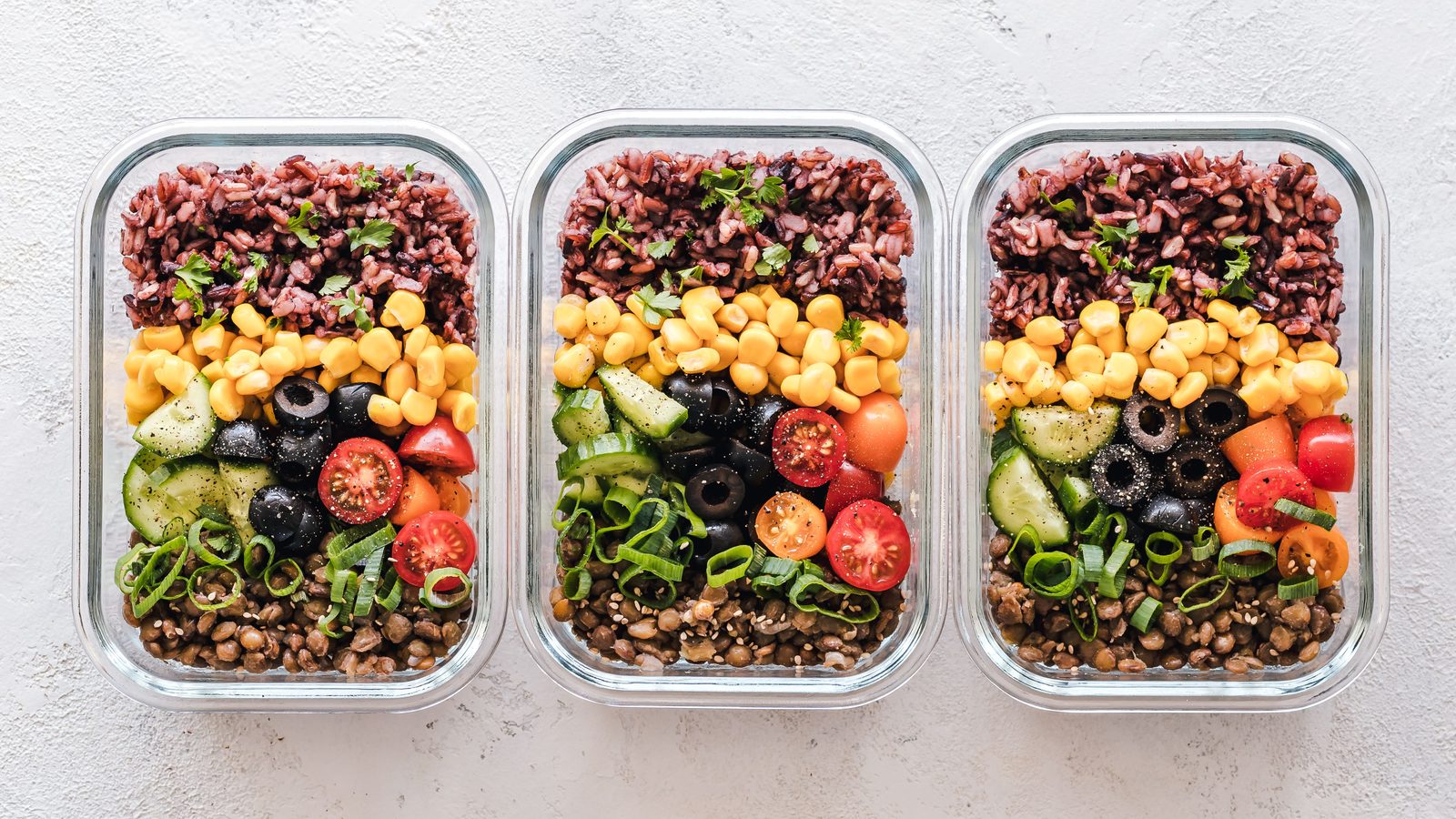
Quick answer: If your office has a microwave, a borosilicate glass tiffin is the better winter choice, because you can heat lunch until it’s steaming right in the container (with the lid off). If there’s no microwave, pick a vacuum-insulated steel tiffin, which keeps food warm for hours but can’t go in a microwave. A plain, non-insulated steel tiffin is the weakest option in winter. It goes cold quickly and can’t be reheated in the box.
Key takeaways
- The deciding question is simple: can you use a microwave at lunch?
- Borosil says its borosilicate glass boxes are microwave, oven, fridge and freezer safe, but its plastic lids are not.
- Borosil says its vacuum-insulated steel Hot n Fresh box keeps food hot for up to 8 hours, and that its steel containers must not go in a microwave.
- On myborosil.com on 18 November 2026, a 4-piece glass set was ₹1,426 and a 3-container insulated steel set was ₹3,036.
Winter is when lunch boxes let people down. Dal that was steaming at 8 AM is cold and set by 1 PM, rotis turn leathery, and the sabzi tastes of the fridge. Most families choose between a steel tiffin and a glass tiffin out of habit. In winter, the choice actually matters, and it mostly depends on what’s waiting for you at work or school.
In this article, you’ll learn:
- How steel and glass tiffins compare on warmth, reheating, weight and safety
- Why the office microwave question decides it
- What two real models cost and what their makers say about them
- How to pack each one so lunch tastes better in winter
Steel vs Glass Tiffin: The Quick Comparison
There are really three options, not two. A plain steel tiffin, an insulated steel tiffin, and a glass tiffin all behave differently.
| Plain steel tiffin | Insulated steel tiffin | Borosilicate glass tiffin | |
|---|---|---|---|
| Keeps food warm on its own | Poorly | Yes, for hours | Poorly |
| Microwave safe | No | No | Yes, without the lid |
| Weight | Light | Heavy | Heavy |
| Breakage risk | None | Low | Can break if dropped |
| Stains and smells | Rarely | Rarely, check the seals | No |
| Can see what’s inside | No | No | Yes |
| Best for | Dry food, short commutes | No microwave at work | Microwave at work |
The table makes one thing clear. A glass tiffin doesn’t keep food warm by itself any better than plain steel does. Its advantage is that you can reheat in it.
When a Glass Tiffin Wins
If there’s a microwave you can use at lunch, a glass tiffin is the better winter pick.
Borosil’s product page for its Kube glass lunchbox says its boxes are made of borosilicate glass and can be used in the microwave, oven, fridge, freezer and dishwasher. It says the glass is guaranteed to withstand temperatures of up to 350°C, and that it won’t absorb stains or smells. The same page says it’s fine to go straight from the fridge to the oven, though it suggests letting frozen food warm a little first.
That means you can pack last night’s dal in the fridge, carry it to work and heat it until it’s steaming in the same box. The UK Food Standards Agency’s guidance on cooking and reheating says reheated food should be steaming hot throughout, not just warmed, and that leftovers should only be reheated once. A glass box makes that easy.
The catches:
- Take the lid off. Borosil’s page says not to use the plastic lid in a microwave or conventional oven. Cover the box loosely with a microwave-safe plate or paper instead.
- It’s heavier. Four glass boxes add real weight to a bag.
- It can break. Borosilicate is tougher than ordinary glass, but a drop on a hard floor can still crack it.
- Check the glass type. Borosil’s page itself contrasts its borosilicate boxes with ordinary soda-lime glass. If a cheap glass box doesn’t say borosilicate or microwave safe, don’t assume it is.
When an Insulated Steel Tiffin Wins
No microwave? Then you need the box itself to hold heat, and that’s what you pay extra for in a vacuum-insulated steel tiffin.
Borosil’s Hot n Fresh insulated steel lunchbox page describes a double-wall, vacuum-insulated steel body and says it keeps food hot for up to 8 hours. That’s the maker’s claim. How warm your food stays depends on how hot it was when you packed it, how full the containers are and how cold your commute is.
The same page gives two instructions worth following:
- Pre-heat it. Borosil says to precondition the steel case and containers with hot or boiling water before packing.
- No microwave. It says the steel containers must not be used in a microwave. If you want to reheat, move the food to a microwave-safe dish.
Insulated steel tiffins are also heavier than plain steel ones. Reviews on the Borosil page mention weight and seal rings among the complaints, so check how easily the rubber seals come out for cleaning before you buy any brand.
A Plain Steel Tiffin in Winter
A regular steel tiffin is light, cheap and nearly indestructible, which is why most Indian kitchens have three. In winter, though, it loses heat quickly, and you can’t put it in a microwave.
It still works well for:
- Dry food that’s fine at room temperature, like parathas, thepla, poha or dry sabzi
- Short trips, like school lunch eaten mid-morning
- Kids who drop things
If you only have plain steel tiffins, wrap them in a thick cloth or put them in an insulated bag. It won’t match a vacuum-insulated box, but it slows the cooling. Our 15-minute tiffin recipes for kids has ideas that taste fine without reheating.
What Steel and Glass Tiffins Cost
Here’s what Borosil’s own store listed on 18 November 2026. Prices on the store change often, and these are sale prices against the listed MRP.
| Model | What you get | Sale price | Listed MRP |
|---|---|---|---|
| Borosil Kube universal glass lunchbox | 4 glass boxes (2 × 320 ml, 2 × 240 ml), plastic lids, lunch bag | ₹1,426 | ₹2,195 |
| Borosil Hot n Fresh insulated steel lunchbox | 3 steel containers (2 × 420 ml, 1 × 350 ml) in a vacuum-insulated case | ₹3,036 | ₹3,795 |
Plain steel tiffins cost much less, and you probably already own one. If you’re choosing between buying a glass tiffin and an insulated steel tiffin, the glass set is cheaper, but only useful if you can reheat at work.
How to Pack Each One for a Winter Lunch
Glass tiffin, microwave at work:
- Pack food cold from the fridge, not warm. Cool leftovers quickly after dinner and refrigerate them.
- Keep the box in a cool spot or an insulated bag until lunch.
- Remove the lid, cover loosely and heat until it’s steaming in the middle. Stir halfway.
- Add a splash of water to dal and rice before heating so they don’t dry out.
Insulated steel tiffin, no microwave:
- Pour boiling water into the containers for a few minutes, then tip it out.
- Pack food piping hot, straight from the stove, and close the lid at once.
- Fill containers to the top. Less air means less heat loss.
- Eat it within the time the maker claims, and sooner is better.
Rotis in both: Wrap them in a cotton napkin or foil. If yours go hard by lunch, our guide to rotis hard after cooling has six fixes.
Frequently Asked Questions About the Glass Tiffin
Can I microwave a glass tiffin?
If it’s borosilicate glass and the maker says it’s microwave safe, yes, but take the plastic lid off first. Borosil specifically says its plastic lids shouldn’t go in a microwave or oven.
Does a glass tiffin keep food warm?
Not much on its own. Glass and plain steel both cool down in a few hours. If you need food to stay warm without a microwave, use a vacuum-insulated steel tiffin.
Can I put a steel tiffin in the microwave?
No. Borosil says its steel containers shouldn’t be used in a microwave. Move the food to a microwave-safe bowl first.
Is a glass tiffin safe for kids?
It’s heavy and can break if dropped, so a steel tiffin is usually the more practical choice for young children. Older kids with access to a microwave can manage glass.
So, Steel or Glass?
Ask one question: can you use a microwave at lunch? If yes, a borosilicate glass tiffin lets you reheat food until it’s steaming, with no stains or smells. If no, a vacuum-insulated steel tiffin is the one that keeps lunch warm. A plain steel tiffin is fine for dry food and short trips, but it’s the weakest choice for a hot winter lunch.
Save this comparison before you buy, share it with whoever packs the tiffins at home, and follow our WhatsApp channel for more kitchen buying guides.