
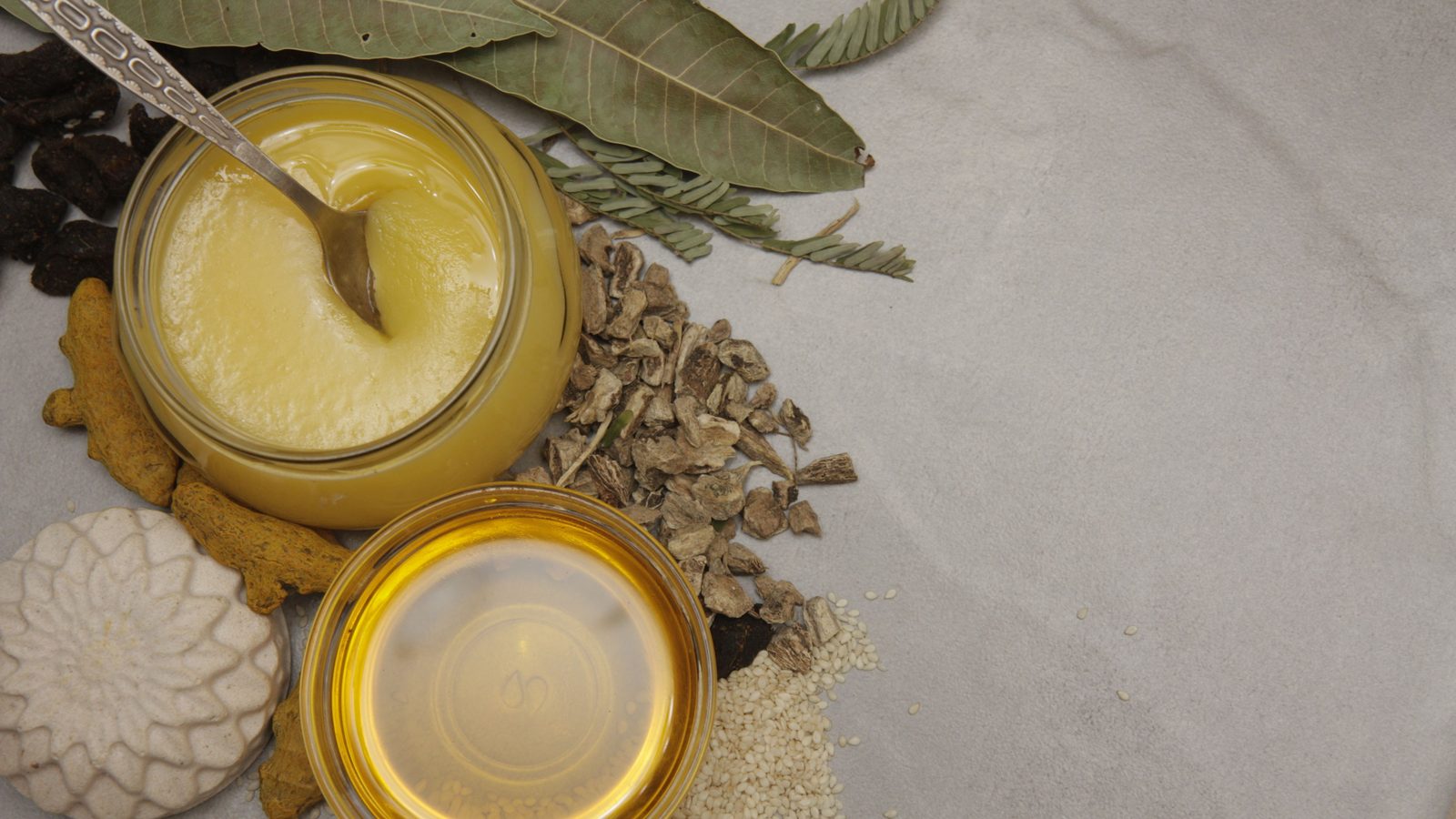
Quick answer: In the ghee vs oil choice for everyday cooking, most vegetable oils are the healthier base because they’re mostly unsaturated fat, while ghee is mostly saturated fat. The World Health Organization suggests swapping butter, lard and ghee for oils rich in polyunsaturated fat. That doesn’t make ghee poison. A small amount for flavour fits a healthy diet. The total amount of fat you use matters as much as which fat it is.
Key takeaways
- Ghee is roughly two-thirds saturated fat. Common cooking oils like sunflower, soybean, groundnut and mustard are mostly unsaturated.
- WHO advises keeping saturated fat under 10% of daily calories, and total fat at 30% or less.
- Ghee’s high smoke point makes it handy for tadka and frying, but that’s about cooking, not heart health.
- A sensible plan: oil for the daily sabzi and dal, a teaspoon of ghee where you’ll really taste it.
In this article, you’ll learn:
- What’s actually different in ghee vs oil
- What WHO and Harvard’s nutrition experts say about saturated fat
- How much ghee fits into a day
- Which fat to use for which dish
- How to cut back during Diwali without losing flavour
Ghee vs Oil: What’s Actually Different
Both are pure fat, so ghee vs oil isn’t a calorie question. A teaspoon of either gives roughly the same calories, so swapping one for the other won’t change your weight. The difference is the type of fat inside.
Ghee is clarified butter. Like butter, most of its fat is saturated. A 2024 lab analysis of two traditional ghee samples, published in Food Research Journal, found saturated fatty acids made up about 65% and 68% of the fat. The exact share varies with the animal’s feed and how the ghee is made, but “around two-thirds” is a fair rule of thumb.
Most cooking oils are the other way round. Sunflower, soybean, rice bran, groundnut and mustard oil are mostly unsaturated fat. Coconut oil and palm oil are the exceptions: they’re high in saturated fat too.
Saturated fat matters because eating a lot of it tends to raise LDL, the “bad” cholesterol that’s linked to heart disease.
What WHO and Harvard Say About Ghee vs Oil
The WHO healthy diet fact sheet is clear on three points:
- Total fat should be 30% or less of your daily energy, and at least 15%.
- Saturated fat should be under 10% of daily energy. WHO names ghee alongside butter, fatty meat, cream, cheese, lard, palm oil and coconut oil as sources.
- Unsaturated fats, like those in sunflower, soybean, canola and olive oils, are preferable. WHO suggests replacing butter, lard and ghee with oils rich in polyunsaturated fat.
The Harvard School of Public Health’s guide to fats adds a useful detail. Cutting saturated fat helps your heart when you replace it with good fats, especially polyunsaturated ones. It helps very little if you replace it with refined carbohydrates. So swapping ghee for extra maida or sugar isn’t a win.
| Ghee | Most vegetable oils (sunflower, soybean, groundnut, mustard, rice bran) | |
|---|---|---|
| Main type of fat | Saturated (roughly two-thirds) | Unsaturated |
| Effect on LDL cholesterol if eaten in large amounts | Tends to raise it | Tends to lower it when it replaces saturated fat |
| Calories per teaspoon | About the same | About the same |
| Handles high heat | Yes | Most refined oils do too |
| Best use | Flavour: tadka, rotis, a few sweets | Daily cooking base |
How Much Ghee Fits Into a Day?
Here’s a rough worked example, not a personal target. If you eat about 2,000 calories a day, WHO’s 10% limit works out to about 200 calories from saturated fat. Fat has 9 calories per gram, so that’s roughly 22 grams of saturated fat for the whole day.
A teaspoon of ghee holds about 5 grams of fat, and around 3 grams of that is saturated. Two teaspoons of ghee would use up just over a quarter of the day’s limit. The rest has to cover milk, paneer, curd, biscuits, namkeen, sweets and anything fried outside the home. That’s where it adds up fast.
So a teaspoon or two of ghee a day is easy to fit in. Ghee-soaked parathas at breakfast, a ghee-heavy dal at lunch and a few laddoos in the evening is a different story.
If you have high cholesterol, diabetes or heart disease, ask your doctor or a dietitian for your own limit. It may be lower.
Which Fat to Use for Which Dish
You don’t need to pick a side in ghee vs oil. Use each fat where it does the most good.
- Daily sabzi, dal and poha: a vegetable oil. Many families rotate two oils, such as mustard one month and groundnut or rice bran the next, to get a mix of fats.
- Tadka on dal or khichdi: half a teaspoon of ghee gives plenty of aroma. You don’t need a ladle.
- Rotis and parathas: brush a little ghee on top instead of folding it inside layer after layer.
- Deep-frying faral: a neutral oil with a high smoke point works well. Don’t reuse it again and again; once it’s dark, foamy or smells sharp, throw it out.
- Sweets: ghee is part of the flavour in many mithais. Make smaller batches and serve smaller pieces rather than replacing the ghee with something odd.
Our jaggery vs sugar guide uses the same thinking for sweeteners: the swap matters less than the amount.
5 Easy Ways to Cut Back This Diwali
- Measure once. Use a teaspoon for a week to see how much ghee and oil you really pour. Most people are surprised.
- Use a non-stick or well-seasoned pan for everyday sabzis so they need less fat.
- Bake or air-fry some faral like chakli or shankarpali instead of frying every batch.
- Finish with ghee, don’t start with it. A few drops on top of hot dal give more flavour than a spoonful cooked into it.
- Count the hidden fats. Store-bought namkeen, biscuits and sweets often carry more fat than your home cooking.
Frequently Asked Questions About Ghee vs Oil
Q: Is ghee healthier than refined oil?
For heart health, not usually. Ghee is mostly saturated fat, while most refined vegetable oils are mostly unsaturated. WHO suggests replacing ghee with oils rich in polyunsaturated fat. A little ghee for flavour is still fine.
Q: Is it okay to eat 1 teaspoon of ghee daily?
For most healthy adults, yes. A teaspoon has about 3 grams of saturated fat, which fits within WHO’s limit if the rest of your diet isn’t heavy in fried food, sweets and full-fat dairy.
Q: Is ghee better for frying because of its high smoke point?
Ghee does handle high heat well, so it doesn’t burn easily. But a high smoke point doesn’t make a fat healthier to eat. Many refined oils also handle frying heat.
Q: Is mixing better than choosing ghee vs oil?
You can. Many cooks start with oil and add a little ghee at the end for aroma. That way you get the flavour with less saturated fat.
The Bottom Line
In the ghee vs oil debate, oil wins as the everyday base and ghee wins on flavour. Cook most meals in a vegetable oil, keep ghee to a teaspoon or two where you’ll taste it, and keep an eye on total fat from sweets and snacks, especially through Diwali.
Save this guide for your festive cooking, share it with whoever runs your kitchen, and follow SmartCooking.in on WhatsApp for simple, healthy Indian recipes.
This article is for general information and isn’t medical advice.